
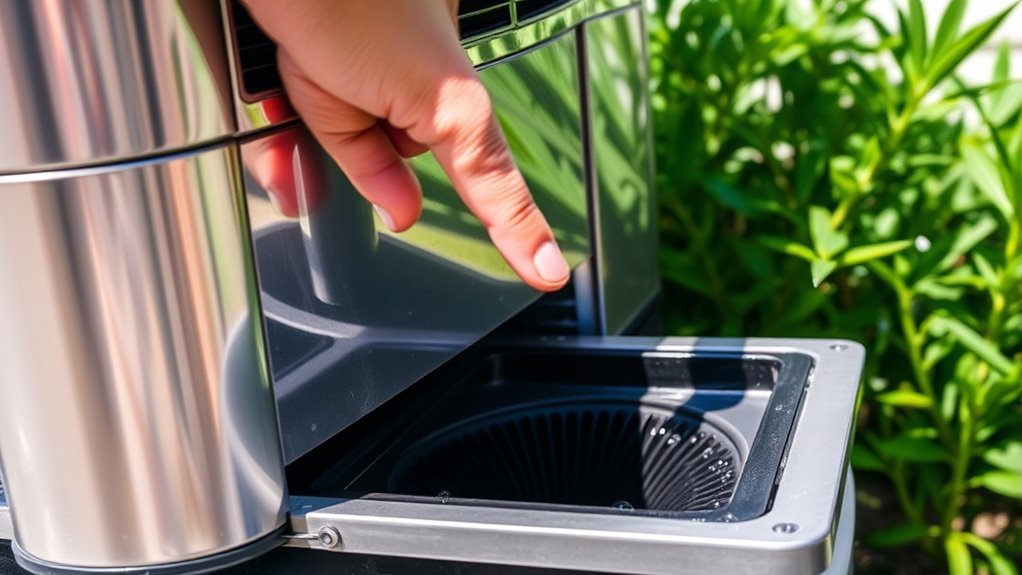
How to Locate the Drain Pan on Your AC Unit
If you’ve ever noticed water pooling near your AC unit or a musty smell indoors, your drain pan might be the culprit. The drain pan is an essential component of your air conditioning system that collects condensation and prevents water damage. Knowing how to locate the drain pan on your AC unit is key to addressing these issues promptly.
Depending on your system type, the drain pan’s location can vary quite a bit. Accessing it safely requires a bit of know-how and sometimes the right tools. Let’s start by understanding what the drain pan does and where it’s typically hidden.
What Is an AC Drain Pan?
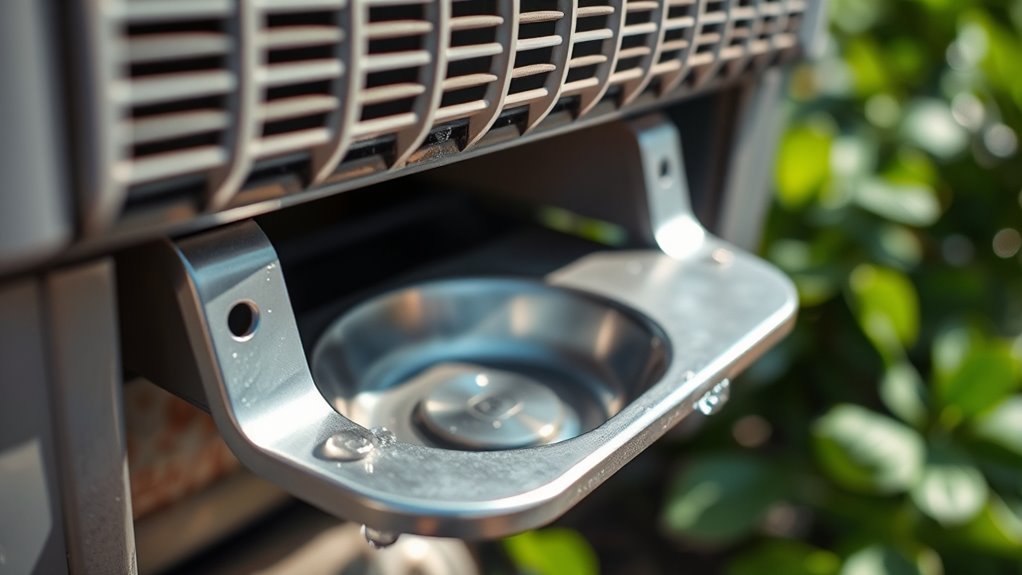
Have you ever wondered where the water from your air conditioner goes? When your AC cools the air, the evaporator coil condenses moisture from the air, producing condensate. This water doesn’t just drip inside your home; it collects in the drain pan located directly beneath the evaporator coil.
The drain pan’s job is to catch this condensate and guide it safely to the drain line, preventing leaks and water damage. Usually made of metal or plastic, the drain pan is built to resist rust and corrosion, ensuring durability.
If the drain pan isn’t working properly, you might face water leaks, mold growth, or damage to your HVAC system. So, the drain pan is an essential component that helps keep your AC running smoothly.
Common Locations of AC Drain Pans in Different Systems
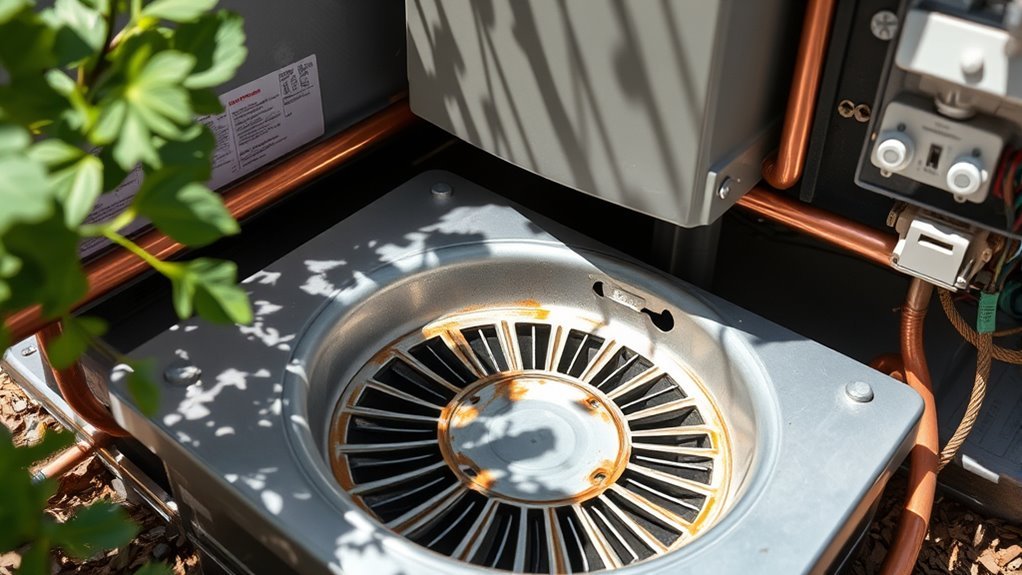
Understanding where your AC’s drain pan sits can help you identify and fix potential issues quickly.
Knowing your AC drain pan’s location aids in prompt troubleshooting and maintenance.
In central split-system HVAC setups, you’ll find the drain pan beneath the evaporator coil inside the air handler or furnace cabinet.
Packaged units have their drain pan under the evaporator coil, enclosed in an outdoor metal casing.
For mini split or ductless systems, the drain pan is built into the wall-mounted indoor unit, typically at the bottom or behind removable panels.
Window and portable AC units house the drain pan at the base or behind air filters, accessible by removing panels.
In RV or mobile home systems, the drain pan is located beneath the evaporator, often on the roof or under the appliance, collecting condensation efficiently within the AC unit.
How to Access the Drain Pan in Central Air Conditioners
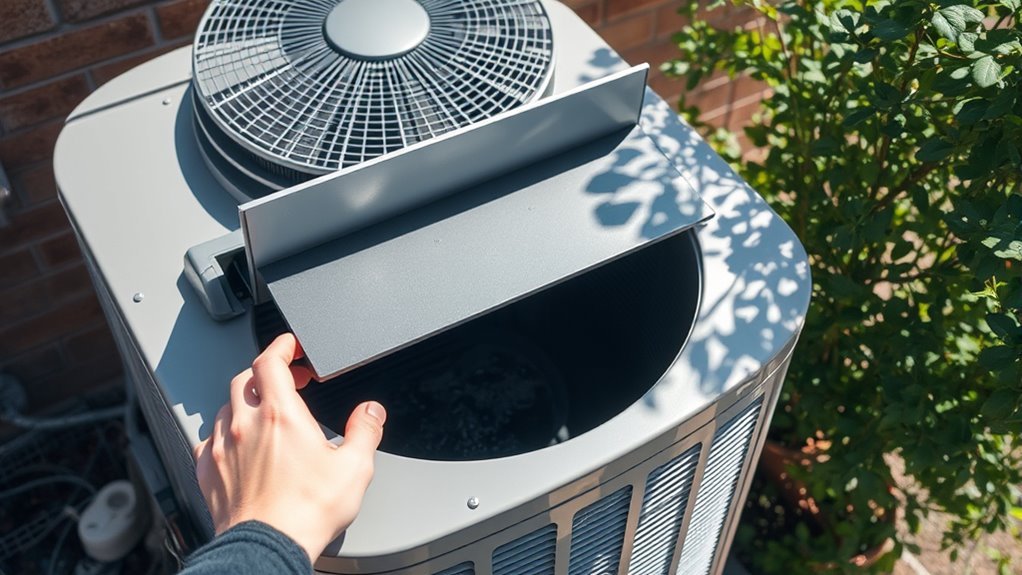
When you need to access the drain pan in a central air conditioner, start by locating the indoor unit’s access panel or front cover, which is usually held in place by screws. Follow these steps to reach the drain pan safely and efficiently:
- Turn off the AC power to prevent electrical hazards.
- Remove the screws securing the access panel or front cover.
- Locate the evaporator coil inside the air handler or furnace cabinet.
- Find the drain pan positioned directly beneath the coil, designed to catch water from condensation.
Once exposed, you can inspect the drain pan for standing water or blockages. This metal or plastic tray ensures proper drainage, protecting your AC from water damage.
Always handle components carefully to avoid damage.
Identifying the Drain Pan in Packaged and Mini Split Units
Since packaged and mini split units differ in design, locating the drain pan requires knowing where the evaporator coil sits within each system.
In packaged AC units, the drain pan is typically a metal tray positioned beneath the evaporator coil inside the outdoor cabinet.
You’ll often need to remove access panels to find this hidden pan, which usually has drain lines running from it to the outside.
On the other hand, mini split systems feature the drain pan integrated into the indoor wall-mounted unit, directly below the evaporator coil.
This pan is often concealed behind the front cover or inside the casing, making it less visible.
Understanding these key differences helps you accurately identify the drain pan in packaged AC units and mini split systems.
Recognizing Drain Pans in Window and Portable AC Units
Although window and portable AC units differ in design, both house their drain pans near the evaporator coils to catch condensation effectively.
To recognize the drain pan in these units, follow these steps:
Follow these simple steps to locate the drain pan in your window or portable AC unit.
- Check the bottom section of your window AC units, where the drain pan is usually integrated beneath the evaporator coils.
- Look inside or at the base of portable AC units for a built-in drain pan designed to collect condensation.
- Identify any removable trays or panels on both unit types that reveal the drain pan for easy inspection.
- Locate a drain port or plug on the bottom, connecting to the drain pan for water removal.
Recognizing these features helps you maintain your AC and prevent water damage efficiently.
Tools Needed to Locate and Inspect the Drain Pan
Identifying the drain pan is just the first step; you’ll need the right tools to locate and inspect it properly. Start with a flashlight to illuminate dark or hidden areas around the indoor unit and drain pan.
A screwdriver or socket wrench will help you remove access panels or covers that may block your view. If your AC is installed in a high or hard-to-reach spot, use a ladder or step stool for safe access.
Sometimes, a utility knife or pry tool is essential for carefully removing panels or insulation hiding the drain pan.
Finally, having a drain line or pipe diagram handy can guide you in tracing the connections from the drain pan to external or secondary drainage systems, making inspection more efficient and thorough.
Signs Your AC Drain Pan Needs Immediate Attention
When you notice water pooling near your indoor unit or see stains on your ceilings and walls, your AC drain pan likely needs immediate attention. Ignoring these signs could lead to costly damage.
Look for these key indicators:
Look for these key indicators to catch drain pan issues before they cause serious damage.
- Water around the indoor unit or on the floor, which suggests the drain pan is cracked, rusted, or clogged.
- Visible rust, corrosion, or cracks on the drain pan, signaling it needs prompt replacement.
- A persistent mold or mildew odor, indicating the drain pan is full of water and harboring mold growth.
- Unexpected AC shutdowns triggered by float switches or water alarms, meaning the drain pan is overflowing.
Addressing these signs quickly helps prevent water damage and keeps your AC running smoothly.
Step-by-Step Process to Locate Your AC Drain Pan Safely
Before you start, make sure you turn off the power to your HVAC system at the breaker box to avoid any electrical hazards. Next, remove the access panel on your indoor air handler or furnace to reveal the evaporator coil.
The drain pan is located directly beneath this coil, catching condensation from your air conditioner. Use a flashlight to inspect thoroughly and spot the drain line, usually a PVC pipe exiting the pan.
| Step | Location | Tool Needed |
|---|---|---|
| Power Off | Breaker Box | None |
| Access Panel Removal | Air Handler/Furnace | Screwdriver |
| Inspect Drain Pan | Below Evaporator | Flashlight |
Following these steps helps you safely find your AC drain pan without risk.
Understanding the Role of the Condensate Drain Line
Although it often goes unnoticed, the condensate drain line plays an essential role in keeping your AC system running smoothly by channeling excess moisture away from the drain pan to an appropriate drainage point.
If this line malfunctions, water can back up into the drain pan, causing leaks and potential water damage.
Here’s why you should care about the condensate drain line:
- It carries moisture from the drain pan to prevent overflow.
- It’s usually made of PVC or flexible plastic piping attached to the drain pan.
- Regular cleaning with vinegar or cleaners helps avoid clogs.
- A blocked or damaged line can lead to leaks and system shutdowns.
Keeping your condensate drain line clear protects your AC and home from costly water damage.
When to Call a Professional for Drain Pan Issues
If you spot persistent water leaks, mold growth, or unpleasant odors near your AC unit, don’t wait to call a professional. These signs often indicate problems with the drain pan or float switch that require expert attention.
Persistent leaks, mold, or odors around your AC signal drain pan or float switch issues needing professional care.
When the drain pan is cracked, rusted, or extensively damaged, an AC pro should replace it to prevent further issues.
If your system frequently shuts down because the float switch or water level sensors activate, professional diagnosis is essential.
Also, if you can’t locate or access the drain pan after checking the manual or inspecting the unit, it’s best to consult a specialist.
For complex clogs, damaged drain lines, or if you’re unsure about maintenance, calling an HVAC pro guarantees your system stays safe and efficient.
Frequently Asked Questions
How Do I Find My AC Drain Pan?
You’ll find your AC drain pan beneath the evaporator coil. Just remove the access panel on your air handler or furnace, or check the outdoor unit if you have a packaged system.
Look for a shallow metal or plastic pan.
How to Clear an AC Drain Pan?
Clearing your AC drain pan is like unclogging a sink. Turn off power, vacuum out water, detach the drain line, then flush it with vinegar or cleaner.
This keeps your AC running smoothly and prevents water damage.
How Do I Know if My AC Drain Pan Is Full?
You’ll know your AC drain pan is full if you see water pooling, notice increased humidity, detect water stains, or if the system shuts off unexpectedly.
Check for rust, mold, or standing water regularly with a flashlight.
Where Is My AC Drain Pipe Located?
You’ll find your AC drain pipe near your air handler or furnace, often tucked behind panels or beneath the unit.
For window units, check the bottom or side, where a small tube trails outside or to a drain.
Conclusion
Now that you know how to locate your AC drain pan, remember it plays an essential role in preventing water damage and mold growth.
Did you know that clogged or overflowing drain pans cause up to 30% of AC breakdowns? Regular checks can save you costly repairs and keep your system running smoothly.
Always turn off the power before inspecting, and don’t hesitate to call a pro if you’re unsure. Staying proactive with AC maintenance keeps your home comfortable and safe.