7 Essential Tips for Cooking Using Stainless Steel Pans
If you’re ready to elevate your cooking, mastering stainless steel pans is a great place to start. These versatile cookware essentials can deliver excellent results, but only if you handle them right. From proper heating techniques to managing oil and knowing when to flip, each step matters.
Getting these details wrong can lead to sticking or uneven cooking, but with the right approach, your meals—and your pans—will thank you. Stainless steel pans require a bit of technique, but once you get it down, you’ll enjoy perfectly cooked food every time. Let’s explore what you need to know.
Preheat Your Stainless Steel Pan Properly
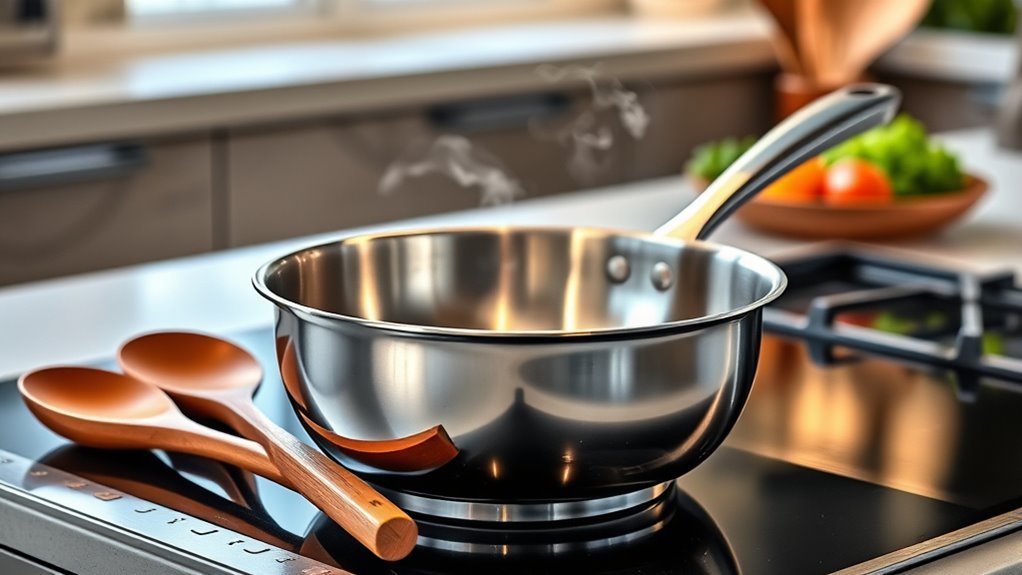
Before you add any ingredients, preheat your stainless steel pan over medium heat for 2-3 minutes. This preheating step is essential for achieving even heat across the surface, which helps prevent your food from sticking.
When you preheat properly, you give the pan time to reach an ideal temperature for cooking. This improves searing and browning.
Avoid adding oil or food before the pan is hot, as this can cause sticking and uneven cooking.
Heat control during preheating ensures your pan is ready to handle whatever you cook next.
Mastering this technique sets the foundation for great results, making your stainless steel pan a reliable tool in your kitchen.
Use the Water Droplet Test to Gauge Heat
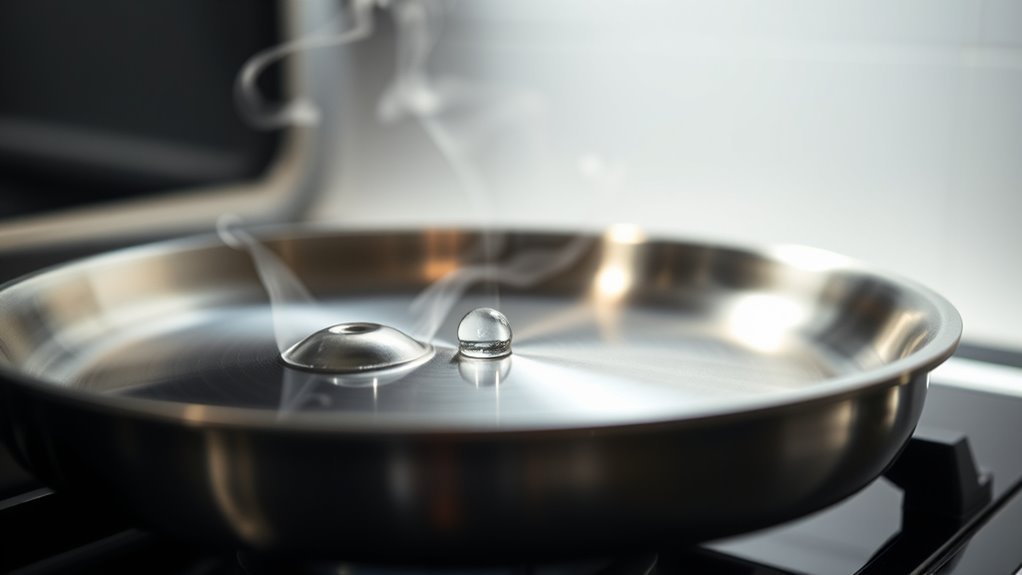
When you want to know if your stainless steel pan has reached the perfect cooking temperature, try the water droplet test. Simply drop a small amount of water onto the cooking surface.
If the water immediately evaporates or sizzles away, the pan is hot but too hot for cooking.
However, if the droplets dance and glide across the surface, you’re witnessing the Leidenfrost Effect. This means the pan has reached the ideal temperature.
Using the water droplet test helps you avoid overheating and ensures even heat distribution. This way, you can cook your food perfectly without sticking or burning.
The water droplet test prevents overheating and promotes even cooking without sticking or burning.
Mastering this simple technique lets you confidently gauge when your pan is ready for the next step in cooking.
Add Oil or Fat After the Pan Is Hot
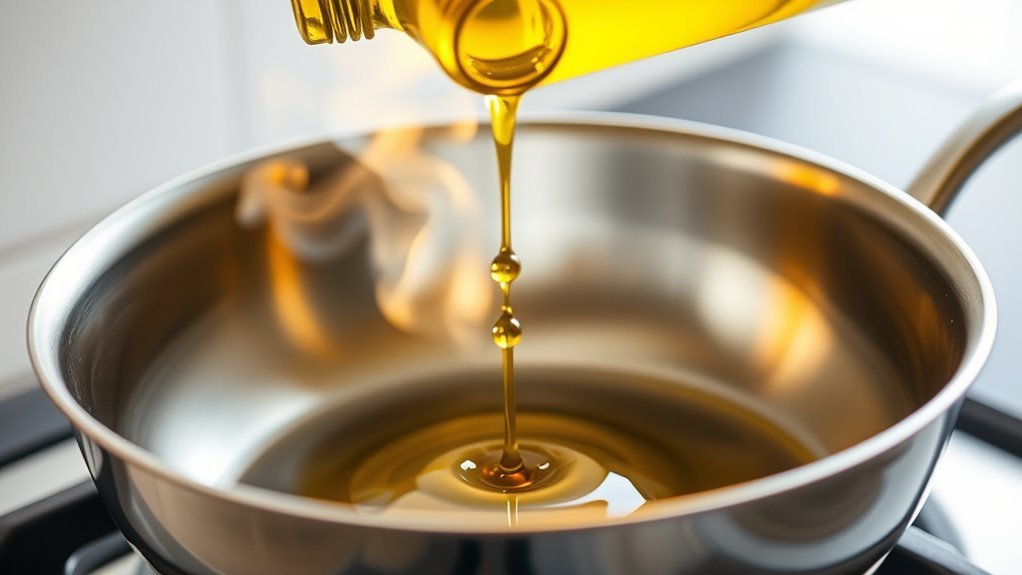
Although it might seem intuitive to add oil right away, heating your stainless steel pan first is key to preventing food from sticking. When you preheat your pan properly, the surface becomes ready to cook, allowing the oil or fat to spread evenly.
Only add oil or fat after the pan is properly heated. This prevents sticking and promotes even cooking. You’ll know the pan is hot enough when the oil starts to shimmer or shows small ripples, signaling the right temperature.
Adding oil too soon, before the pan is hot, can cause food to stick and ruin your sear. By waiting to add oil, you create a smooth, slippery barrier that helps food release easily and cooks perfectly every time.
Allow Food to Release Naturally Before Flipping
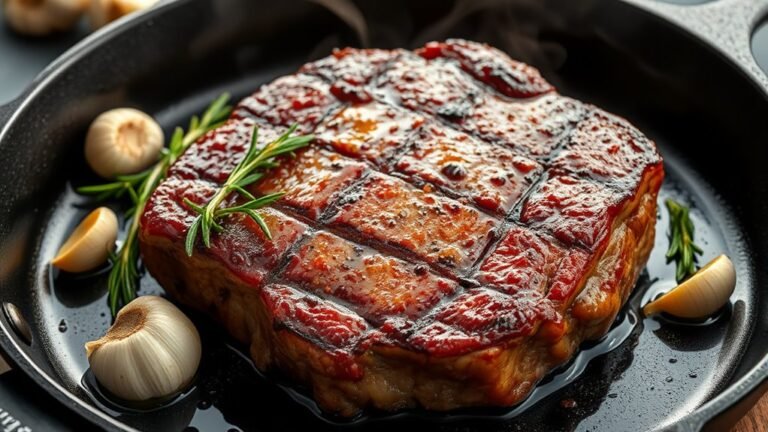
Since stainless steel pans develop a natural non-stick surface as food sears, you should wait until your food easily releases before flipping it.
Stainless steel pans create a natural non-stick surface during searing—flip only when food releases easily.
When cooking, let the edges of the food turn golden brown and naturally loosen from the pan. This signals it’s ready to flip.
Resist the urge to move or flip food prematurely; forcing it can cause sticking or tearing. Gently nudge the food with a spatula or tongs to check if it releases effortlessly.
Properly cooked food will lift with minimal effort, thanks to the crust formed during cooking in your stainless steel pan.
Patience is key. Allowing the food to release naturally ensures better texture, presentation, and an overall smoother cooking experience.
Maintain Medium Heat to Prevent Sticking and Warping
Mastering the art of letting food release naturally goes hand in hand with controlling your pan’s heat. Using medium heat is essential when cooking with stainless steel pans, as it ensures even cooking without overheating.
High heat can cause sticking, warping, and discoloration, damaging your cookware and ruining your meal. Stainless steel retains heat efficiently, so dialing back to medium heat prevents thermal stress and extends your pan’s lifespan.
Proper heat management helps you prevent sticking by allowing food to cook evenly and release easily when ready. Avoid the temptation to crank up the heat; maintaining medium heat not only protects your pan but also promotes better cooking results every time you use your stainless steel pans.
Clean Your Pan Gently to Preserve Its Surface
To keep your stainless steel pans looking their best, you need to clean them gently and avoid harsh scrubbing. Use non-abrasive sponges or soft cloths to clean the surface, steering clear of steel wool or metal brushes that cause scratches.
When you encounter stubborn stains, make a baking soda paste and gently buff the area with a soft cloth.
After cleaning, rinse your pan thoroughly with warm water to remove all soap residues that can dull the finish.
Finally, dry your pan completely with a soft towel to prevent water spots and maintain its polished appearance.
Season Your Pan Occasionally for Enhanced Non-Stick Performance
Although stainless steel pans aren’t naturally non-stick, you can improve their performance by seasoning them occasionally. Start by heating your stainless steel pan over medium heat, then wipe the interior with a thin layer of oil. This creates a natural non-stick surface that enhances food release and reduces sticking.
After each use, gently reheat the pan, add a small amount of oil, and spread it evenly to maintain the seasoned surface. Regular seasoning fills tiny scratches and pits, improving durability and preventing food from bonding during cooking.
If your pan is cleaned with abrasives or food begins sticking, re-season it to restore ideal non-stick performance. This simple step extends your pan’s lifespan and makes cooking and cleaning much easier.
Frequently Asked Questions
What Is the Trick to Stainless Steel Pans?
The trick is to preheat your stainless steel pan over medium heat until water droplets sizzle or dance.
Then, add oil to create a barrier, preventing sticking and ensuring even cooking and perfect searing every time.
How Do You Keep Food From Sticking to Stainless Steel Pans?
You keep food from sticking by properly preheating the pan, adding oil once it’s hot, letting the oil shimmer, and then adding dry, room-temperature ingredients.
Avoid overcrowding to maintain heat and guarantee easy food release.
What Is the Rule for Stainless Steel Pans?
You should always preheat your stainless steel pan properly; studies show 70% of sticking issues happen from skipping this. Heat it until water droplets dance, then add oil and wait for it to shimmer before cooking.
What Should I Not Cook in a Stainless Steel Pan?
You shouldn’t cook sugary foods, eggs without enough oil, or acidic dishes for long in stainless steel pans.
Also, avoid boiling dry or over-drying foods, as well as cooking delicate items without enough fat or moisture.
Conclusion
By mastering these tips, you’ll unlock the true potential of your stainless steel pan. Proper preheating and using the water droplet test guarantee your pan’s perfectly hot before adding oil, preventing sticking. Trust the natural release of food before flipping to avoid tearing.
Keeping the heat medium protects your pan’s shape and finish. With gentle cleaning and occasional seasoning, you’ll enjoy cooking with ease and confidence every time.
By following these essential tips for cooking using stainless steel pans, you’ll make stainless steel your go-to cookware for delicious and hassle-free meals.