Can You Put Aluminum Pans in the Oven?
You might not realize that not all aluminum pans are created equal when it comes to oven use. Aluminum pans in the oven can be very convenient, but it’s essential to know their limits. While many aluminum pans are designed to handle high heat, some can warp or discolor if you’re not careful.
Before you slide that pan in, it’s important to know which types can safely withstand your oven’s temperature. Understanding how to avoid common pitfalls can save you from ruining your meal or your cookware. Knowing the right aluminum pans for oven use ensures better cooking results and longer-lasting pans.
Heat Resistance and Temperature Limits of Aluminum Pans
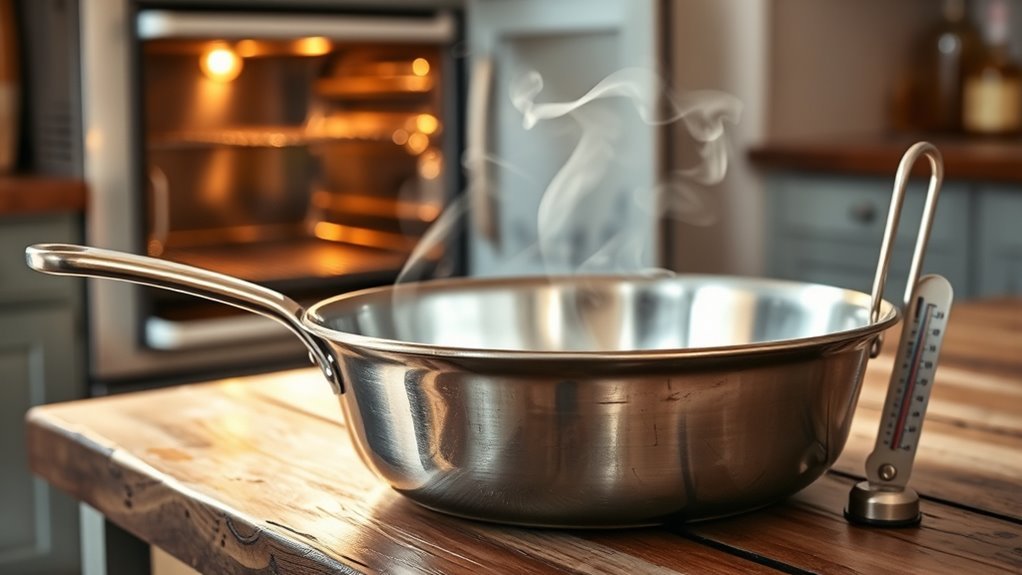
Although aluminum pans are known for their durability, you should still consider their heat resistance before using them in the oven. Most aluminum pans can handle temperatures up to 500°F without warping or melting, but the temperature limits vary depending on the pan’s thickness.
Aluminum pans withstand up to 500°F, but heat tolerance depends on their thickness.
Disposable aluminum pans, made from thin foil, are safe at standard baking temperatures but might warp if exposed to excessive heat.
Heavy-duty aluminum pans with thicker walls offer better heat resistance and maintain their shape even under higher temperatures.
Thanks to aluminum’s excellent thermal conductivity, you’ll enjoy even heat distribution within the recommended temperature limits.
Always check the manufacturer’s guidelines before using any aluminum pan in your oven to avoid damage or safety issues related to heat resistance and temperature limits.
Types of Aluminum Pans Suitable for Oven Use
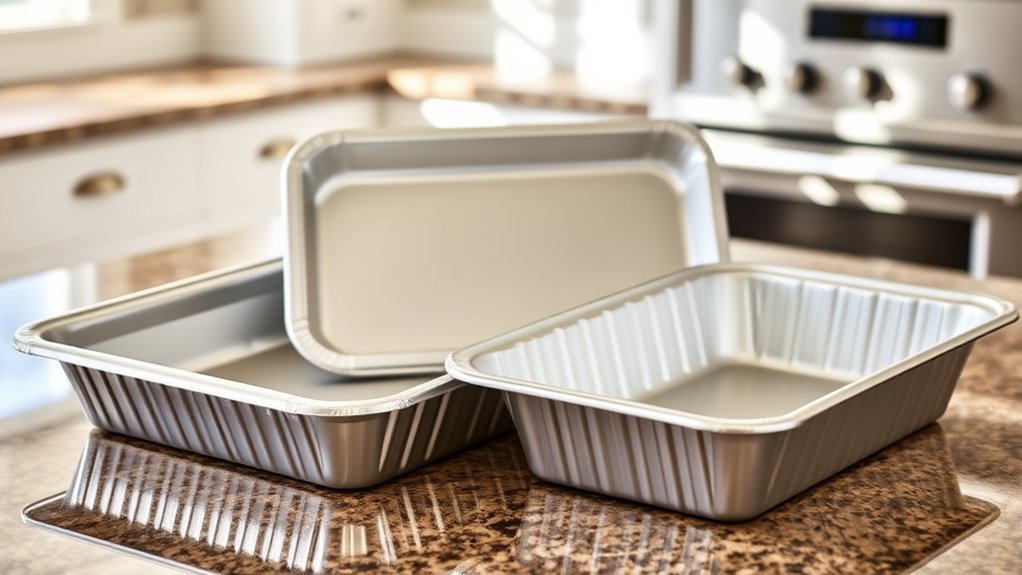
When choosing aluminum pans for oven use, it’s important to take into account the type and construction of the pan to guarantee it suits your cooking needs and temperature requirements.
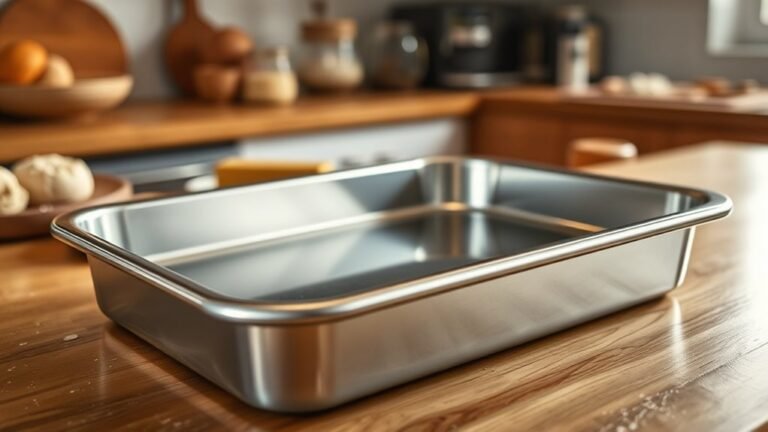
Disposable aluminum pans are a popular choice for baking and roasting, thanks to their oven-safe design and decent heat resistance. However, you’ll want to place them on a baking sheet to prevent warping.
If you prefer reusable options, anodized or coated aluminum pans offer better durability and typically come with manufacturer-specified temperature limits, ensuring safe oven use.
Some aluminum pans have glass or ceramic components labeled oven-safe, but you should stick to recommended temperatures to avoid damage.
Tips for Safe Baking With Aluminum Foil Pans
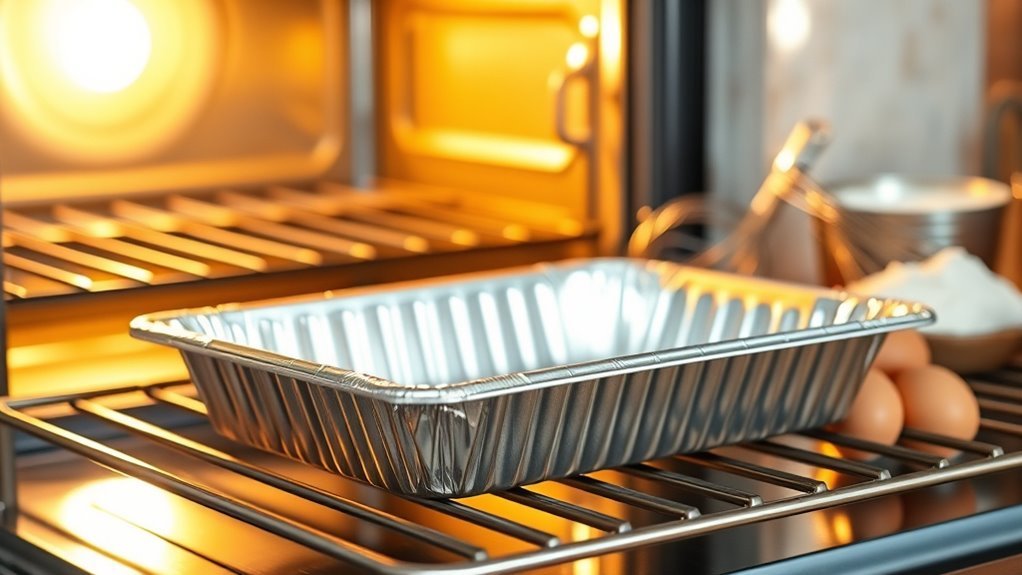
Since aluminum foil pans can handle most oven temperatures up to 450°F, you can rely on them for many baking tasks. To guarantee oven safety, always place your aluminum foil pans on a sturdy baking sheet. This prevents warping and spills caused by the pans’ thin structure.
Remember, although aluminum foil pans have good heat resistance, they aren’t designed for direct exposure to open flames or broilers. They can melt or warp under extreme heat. Always check the manufacturer’s guidelines for specific temperature limits to avoid damage.
When removing hot pans, use oven mitts to protect your hands from burns. Following these simple tips helps you bake safely while taking full advantage of aluminum foil pans’ convenience and heat resistance.
Using Aluminum Pans in Air Fryers and on the Stove
If you want to use aluminum pans in your air fryer or on the stove, make sure they fit properly and don’t block airflow in the air fryer to guarantee even cooking. Many air fryers work well with aluminum pans, especially muffin pans for cupcakes or mini quiches, making them great air fryer cookware options.
On the stove, aluminum pans are handy for simmering sauces or reheating food, but ensure they’re heat-resistant to avoid warping.
Remember, disposable aluminum pans shouldn’t be placed directly over high heat or open flames without support, as this risks damage and safety issues.
Following these oven safety tips helps you use aluminum pans effectively across different cooking methods without compromising your cookware or meals.
Freezing and Storing Food in Aluminum Foil Pans
Although aluminum foil pans are commonly used for baking and cooking, they also serve as excellent containers for freezing and storing food. Disposable aluminum pans are freezer-safe, making them perfect for leftovers or meal prep.
Just make sure you wrap the pan properly with plastic wrap or foil to prevent freezer burn and preserve freshness. Avoid storing highly acidic foods directly in these pans to prevent reactions.
Label and date your food for easy identification.
| Feature | Tip |
|---|---|
| Freezer-safe | Yes, ideal for freezing leftovers and meals |
| Wrapping | Use plastic wrap or aluminum foil to prevent freezer burn |
| Acidic foods | Avoid tomato sauce and other acidic items |
| Labeling | Always label and date for freshness |
| Oxidation | Minimize moisture exposure to avoid dull appearance |
Preventing Oxidation and Maintaining Aluminum Pans
To keep your aluminum pans in good condition, you’ll want to prevent oxidation by wrapping them tightly with plastic wrap or foil before storing or freezing. Aluminum oxidation causes a dull, whitish coating that can damage your oven safe pans over time.
When using aluminum pans for food storage, avoid placing acidic foods like tomato sauce directly in them, as this speeds up corrosion. Consider using protective liners or coatings to minimize moisture contact, which triggers oxidation.
After each use and freezing session, inspect and clean your pans thoroughly to maintain their appearance and durability. Taking these steps will extend the life of your aluminum pans, ensuring they remain safe and effective for oven cooking and long-term food storage.
Cleaning and Reusing Aluminum Foil Pans
You clean aluminum foil pans by hand with mild detergent and warm water, removing food residue without damaging the material. Avoid abrasive scrubbers since they can weaken the foil, causing tears or holes.
After washing, dry the pans thoroughly to prevent oxidation and extend their lifespan. When reusing aluminum foil pans, inspect them for warping, dents, or thinning before each use.
Discard any that are heavily scratched, warped, or have damaged coatings, as they might compromise food safety and cooking performance. Proper cleaning and careful reuse help you get the most out of your aluminum foil pans while maintaining safety and functionality in your oven tasks.
Common Cooking Applications for Aluminum Pans
When you need reliable cookware for baking or roasting, aluminum pans deliver consistent results thanks to their excellent heat conduction. They’re perfect for baking cakes, cookies, muffins, bread, pies, and quiches, ensuring even cooking throughout.
Aluminum pans also handle oven use well, making them a go-to for roasting vegetables, meats, and casseroles at high temperatures without warping. If you’re reheating leftovers, these pans work safely in the oven without melting.
Plus, disposable aluminum foil pans are handy for outdoor cooking like barbecues and camping since you can toss them after use.
Whether you’re baking or roasting, aluminum pans offer versatility and durability, making them a practical choice in your kitchen for a variety of cooking tasks.
Frequently Asked Questions
Can I Bake a Cake in a Disposable Aluminum Pan?
Yes, you can bake a cake in a disposable aluminum pan. Just make sure to place it on a baking sheet for support.
Avoid temperatures above 450°F, and handle the pan gently to prevent warping or spills.
What Temperature Can Aluminum Pans Withstand?
Like a steadfast soldier, aluminum pans can withstand temperatures up to 500°F (260°C).
Just remember, pushing beyond that risks warping, so always check your pan’s limits before turning up the heat.
Can You Put 100% Aluminum in the Oven?
Yes, you can put 100% aluminum in the oven since it handles typical baking temperatures well. Just avoid direct flame or broiler use unless the pan’s labeled safe for that, and always check the manufacturer’s instructions first.
How Can You Tell if a Pan Is Oven Safe?
Picture your pan’s bottom—look for oven-safe symbols or labels. You’ll want to check if it’s metal or glass, avoid plastic handles, and consult the manual.
When unsure, test by heating gently to spot warping or damage.
Conclusion
Think of aluminum pans as reliable bridges—strong enough to carry your meals safely through the heat of the oven without faltering. As long as you respect their temperature limits and avoid direct flames, they’ll hold your culinary creations steady.
With the right care, these pans don’t just cook food; they support your kitchen adventures, turning simple ingredients into memorable dishes.
So go ahead, trust your aluminum pan to be the sturdy foundation of your next delicious journey. Remember, using aluminum pans in the oven is safe and effective when done correctly, making them a versatile choice for baking, roasting, and more.