How to Choose the Right Jelly Roll Pan Size
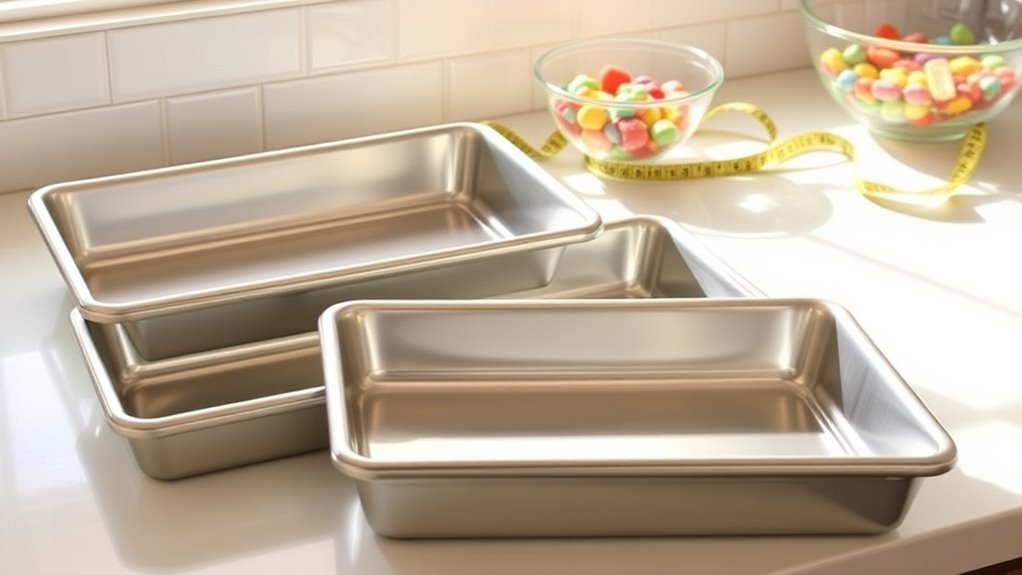
You want even baking, consistent results, and a pan that fits your oven. Choosing the right jelly roll pan size is essential for achieving perfect bakes every time. It might seem straightforward, but it involves more than just picking the biggest or smallest option.
Understanding dimensions, comparing options, and considering your recipe’s needs can make a big difference. Before you settle on a pan, there are key factors to weigh that could affect your final bake.
Understanding Jelly Roll Pan Dimensions
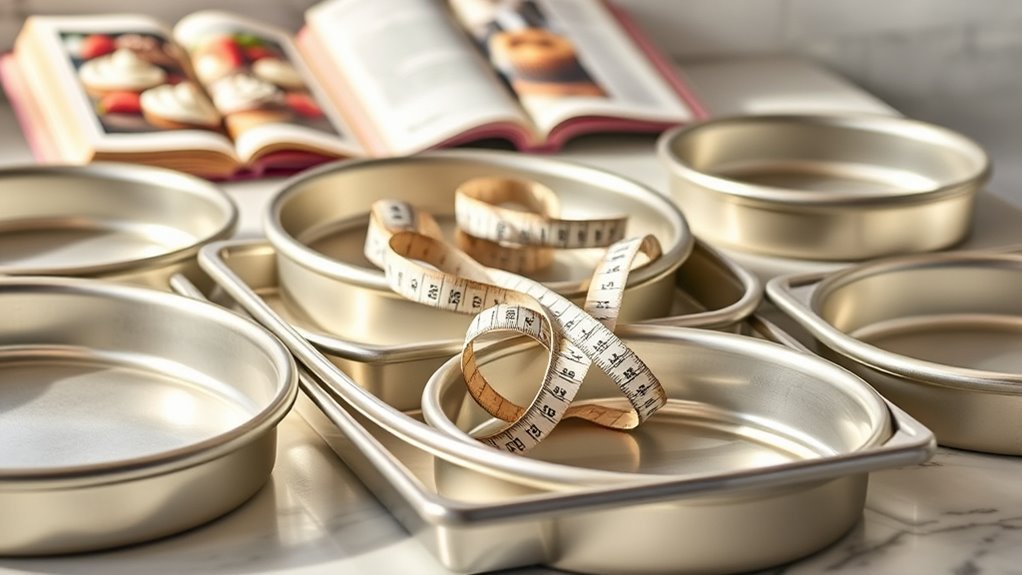
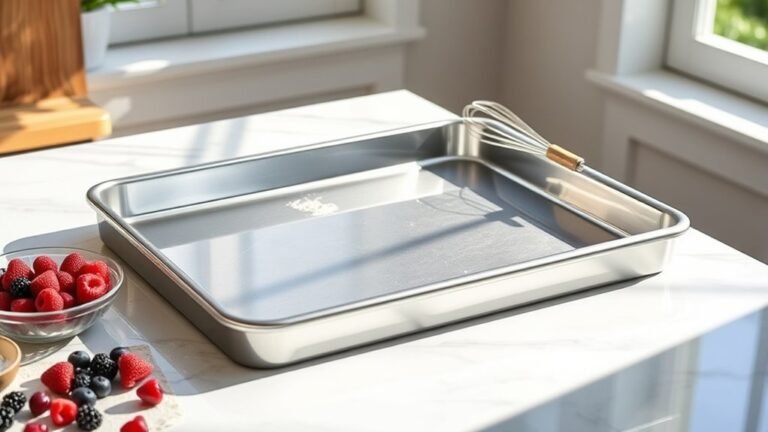
When you choose a jelly roll pan, understanding its dimensions is key to achieving the best baking results. Jelly Roll Pans typically come in sizes like 10×15 inches, which is the standard, or larger options such as 12×17 inches, offering more surface area for bigger recipes.
The pan dimensions include a rim height of about 1 inch, essential for keeping batter contained during baking and rolling. This shallow depth promotes uniform heat distribution, helping your cakes bake evenly and making removal easier.
Material options, like aluminized steel or non-stick coatings, also affect heat conduction and baking performance. By considering size, rim height, surface area, and materials, you’ll pick the perfect jelly roll pan that suits your baking needs and guarantees consistent results every time.
Comparing Jelly Roll Pans With Other Bakeware
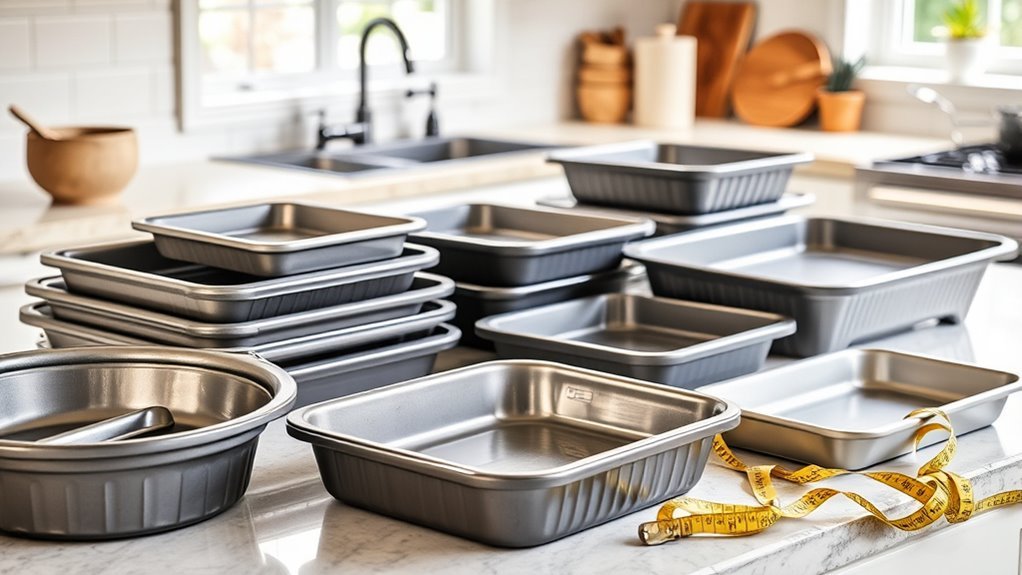
How do jelly roll pans stack up against other bakeware in your kitchen? Jelly roll pans fall between cookie sheets and half sheet pans in both pan sizes and depth. Their rimmed edges set them apart, providing a shallow but secure baking surface ideal for rolling cakes.
Consider these differences:
- Jelly roll pans (10×15 or 12×17 inches) offer even heat distribution with 1-inch rims, perfect for layered desserts.
- Cookie sheets (~11×16 inches) often lack rims, making them better for roasting or baking cookies.
- Sheet pans or half sheets (13×18 inches or larger) have shallow rims but larger surfaces, suited for bigger batches.
Choosing jelly roll pans means balancing versatility with specific baking needs, unlike flat or deeper bakeware options.
Selecting the Right Size Based on Recipe and Oven
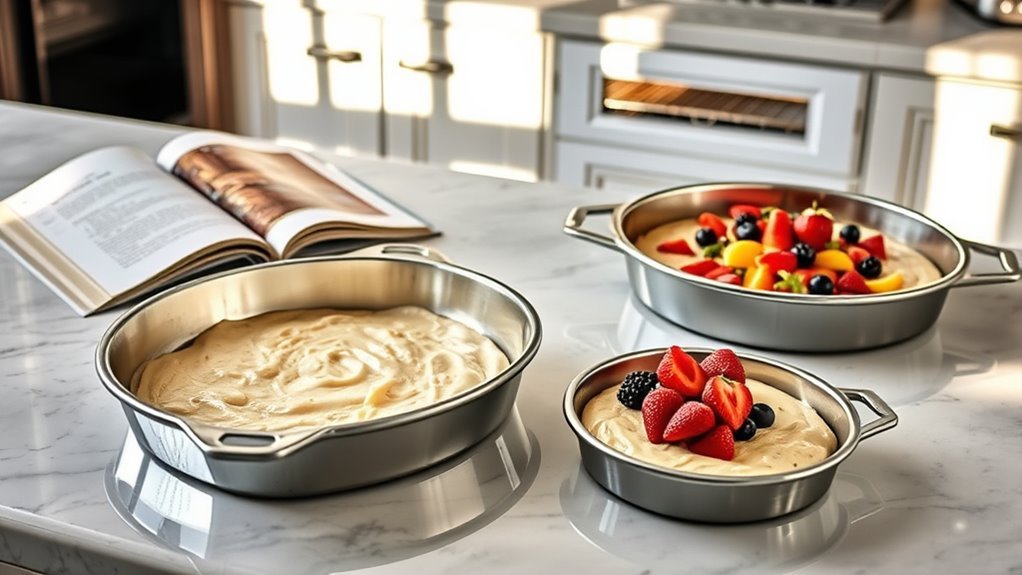
Although selecting the right jelly roll pan size might seem straightforward, it greatly influences your baking results. Start by matching the pan size to your recipe’s specified dimensions. For example, a classic jelly roll often requires a 10×15 inch baking pan or sheet.
Check your oven’s capacity to confirm the pan fits comfortably with enough room for heat circulation. Overcrowding can affect baking quality. Use a size chart to compare your recipe’s surface area needs with the pan’s dimensions.
Remember, larger pans may need adjusted baking times to avoid undercooking or overbaking. If you substitute a different pan size, monitor your bake closely and tweak time as needed.
Choosing the right jelly roll pan based on both recipe and oven guarantees consistent, delicious results every time.
Alternatives When You Can’t Find the Perfect Size
Finding the ideal jelly roll pan size isn’t always possible, but you can still achieve great results by exploring alternatives. When your preferred pan size isn’t available, consider these options:
- Use a half sheet pan (13×18 inches) for large baking; just adjust baking time to ensure even baking.
- Try a 9×13-inch baking dish, but expect thicker or thinner layers, requiring recipe adjustments.
- Modify the batter amount to fit alternative pans or bake smaller batches, using parchment paper to adapt irregular pan sizes.
Always keep an eye on baking time to avoid under or overbaking.
With these flexible approaches, you’ll make the most of your available pan size and still enjoy delicious results.
Tips for Maximizing Baking Results With Your Pan
When you want your baked goods to turn out perfectly, paying close attention to how you handle your pan makes a big difference. Always preheat your oven thoroughly to ensure even heat distribution.
Pre-measure your batter to match the pan size and maintain an even layer thickness for consistent baking results. Follow the recipe calls carefully but adjust baking time if your pan differs.
After baking, let your treats cool in the pan briefly before transferring to a wire rack to avoid cracking.
| Tip | Why It Matters | How To Do It |
|---|---|---|
| Preheat Oven | Even heat distribution | Preheat fully before baking |
| Batter Measurement | Prevent overflow/underfill | Use measuring cups |
| Cooling | Avoid breakage | Cool in pan, then transfer |
Frequently Asked Questions
What Size Should a Jelly Roll Pan Be?
You should choose a jelly roll pan around 15×10 inches for most recipes, ensuring it matches the batter amount. This size helps your cake bake evenly and roll easily without cracking or sticking.
What Size Pan for Jelly Roll Pumpkin Roll?
You should use a 10×15-inch jelly roll pan for your pumpkin roll. It guarantees the cake bakes evenly and rolls easily.
Using a larger pan makes a thinner cake, while smaller pans risk thickness and cracking.
How Do I Know if My Cake Pan Is 8 Inch or 9 Inch?
You can measure across the pan’s top from one inner edge to the other with a ruler. If it’s close to 8 or 9 inches, that’s your size.
Check for markings on the pan’s bottom too.
What Is a 15 by 10 Jelly Roll Pan?
You’ve got a versatile kitchen companion with a 15×10 jelly roll pan—it’s a moderately sized, rimmed baking sheet perfect for rolling cakes and making bars.
Its shallow depth helps you create thin, delicate layers effortlessly.
Conclusion
So, you’ve learned that picking the right jelly roll pan isn’t just a wild guess—shocking, right? If you want your cake to look less like a sad pancake and more like a masterpiece, choose wisely.
Remember, your oven isn’t a magic portal that adjusts for size, so don’t expect a 12×17 to behave like a 10×15.
Now go impress your friends with perfectly baked treats—not your baking blunders! Choosing the right jelly roll pan size is key to baking success and delicious results every time.