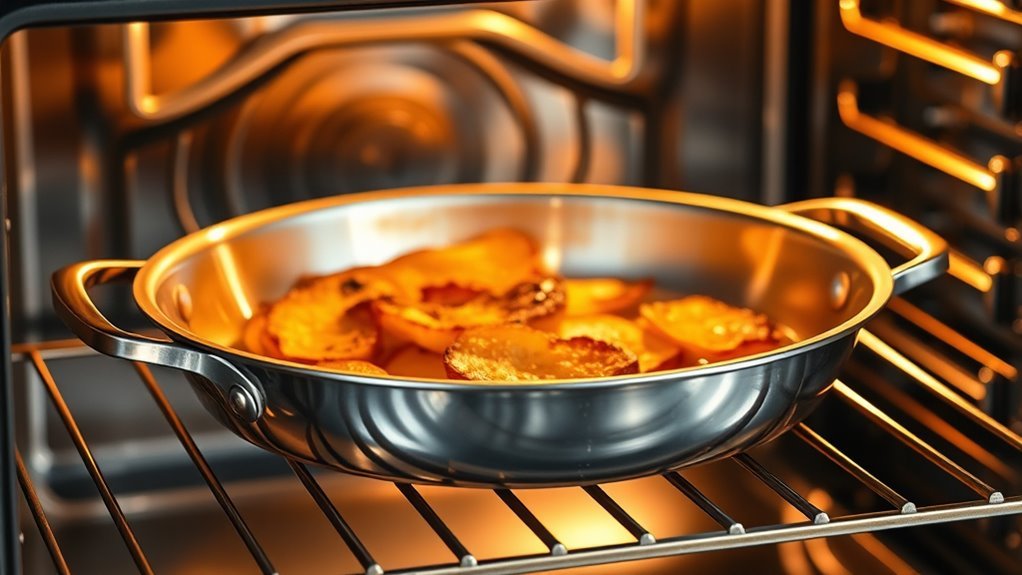
How Aluminum Pans Go Safely in the Oven
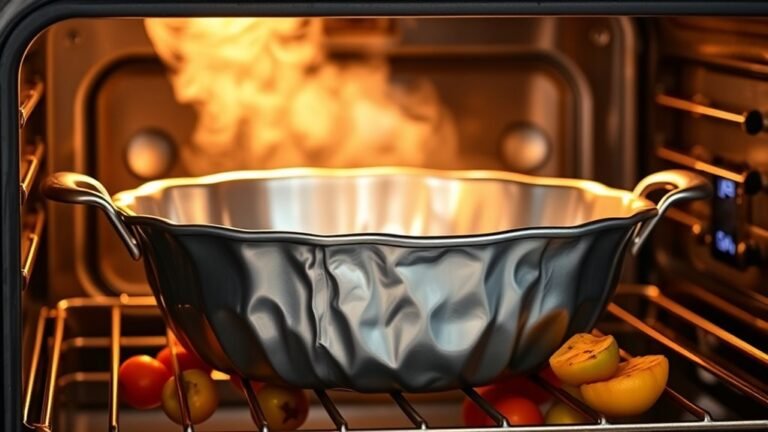
You might not realize that not all aluminum pans are created equal when it comes to oven use. Understanding how aluminum pans go safely in the oven is crucial for both your cookware’s longevity and your cooking safety. Some aluminum pans can handle intense heat without warping, while others may deform or even release harmful fumes if misused.
Knowing how to choose and use aluminum pans properly can extend their life and keep your cooking safe. Before you pop that pan in the oven, it’s important to understand a few key factors that many overlook. Paying attention to these details ensures your aluminum pans perform well and last longer.
Understanding the Heat Resistance of Aluminum Pans
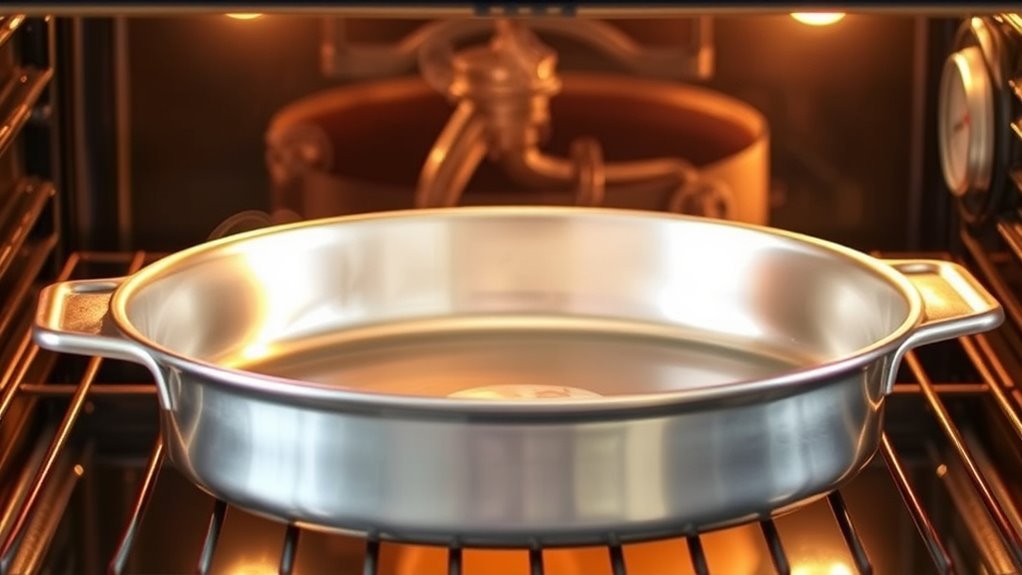
Although aluminum pans are known for their excellent heat conduction, you should know they typically withstand temperatures up to 500°F, making them ideal for most baking, roasting, and grilling tasks.
When considering oven temperatures, heavy-duty and anodized aluminum pans offer better heat resistance and reduce warping risks.
If you use disposable aluminum foil pans, keep temperature limits lower and provide support to prevent bending or warping.
Non-stick coating on aluminum pans usually restricts safe oven use to around 400°F to avoid damaging the surface.
Also, be cautious with aluminum pans featuring plastic or wooden handles; unless labeled oven-safe, they aren’t suitable for high heat.
Understanding these factors guarantees you use aluminum pans safely and effectively in your oven.
Choosing the Right Aluminum Pan for Oven Use
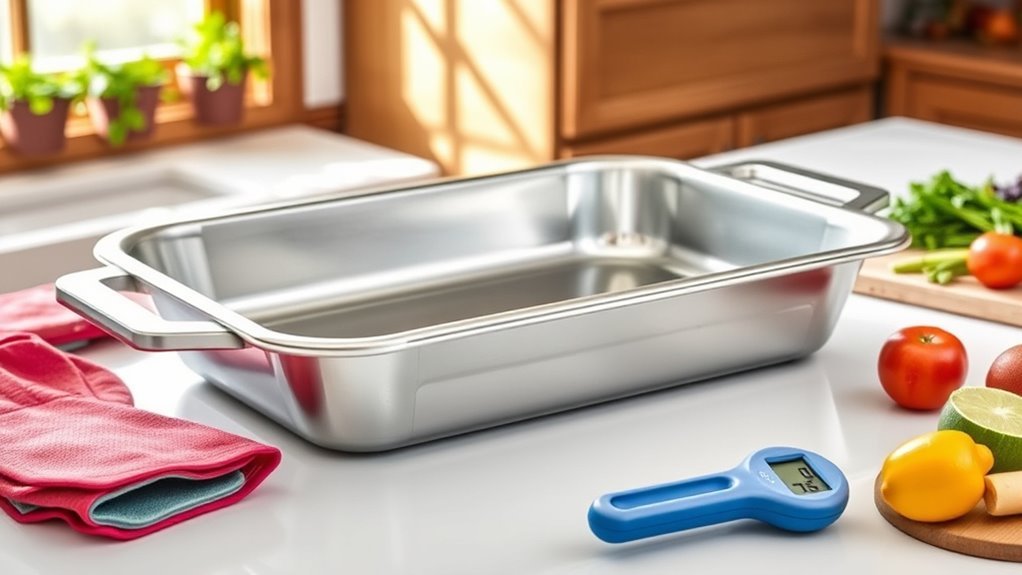
When selecting an aluminum pan for oven use, you need to take into account the pan’s thickness, coating, and manufacturer guidelines to guarantee safety and durability.
Disposable aluminum pans, such as aluminum foil pans, vary in oven safe ratings, so always check manufacturer instructions to confirm their aluminum pan temperature limit.
Reusable pans made from anodized aluminum typically withstand temperatures up to 500°F, making them ideal for higher heat.
Heavy-duty aluminum pans with reinforced edges offer extra durability for roasting or baking.
If you choose non-stick aluminum or coated aluminum pans, keep in mind they generally shouldn’t exceed 400°F to avoid damaging the surface.
Best Practices for Using Aluminum Pans in Conventional Ovens
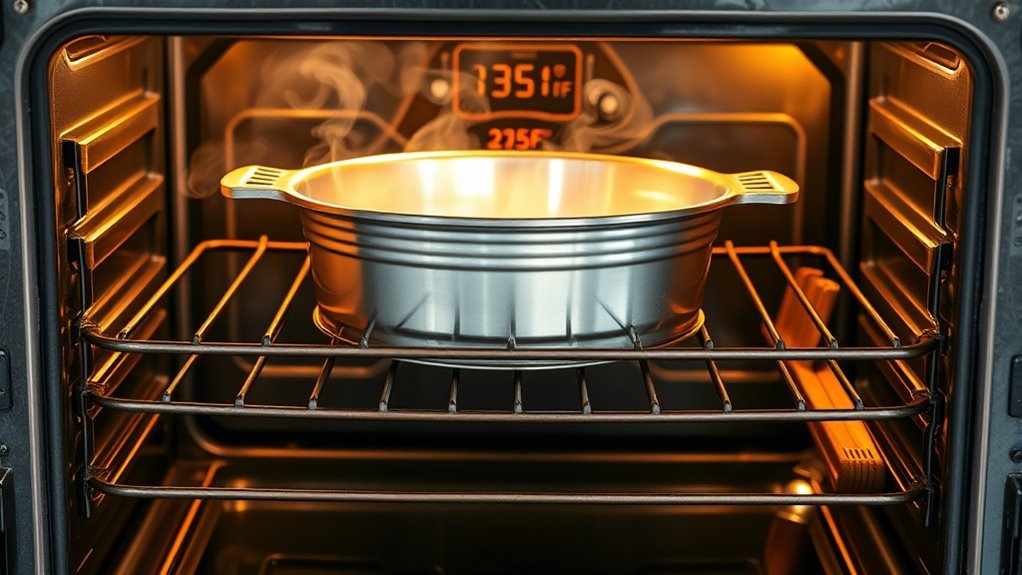
To use aluminum pans safely in your conventional oven, always check that the pan is labeled oven-safe and can handle temperatures up to 500°F. Follow manufacturer instructions closely, especially regarding temperature limits, to avoid damaging your pan.
When using lightweight disposable pans, provide support by placing them on a sturdy baking sheet to prevent warping or collapsing. Avoid placing thin or unsupported aluminum pans directly on the oven rack, as this can lead to warping and uneven cooking.
Never use aluminum pans with plastic or wooden handles unless marked oven-safe. You might also consider using an oven liner to catch drips and protect the oven floor, but ensure it doesn’t block airflow or touch heating elements.
These best practices help maintain your pan’s heat resistance and extend its lifespan.
How to Prevent Warping and Damage to Aluminum Pans
Maintaining your aluminum pans’ shape and functionality goes beyond just choosing oven-safe options. To prevent warping and damage, always follow manufacturer instructions and avoid exceeding recommended temperature limits.
Opt for heavy-duty or anodized aluminum pans, as they offer better heat resistance and stand up well to high temperatures.
Avoid placing lightweight or disposable foil pans directly on oven racks without support; instead, use a baking sheet or oven-safe rack to maintain stability.
Rotating your aluminum pans halfway through baking helps distribute heat evenly, reducing the risk of localized warping.
Using Aluminum Pans Safely in Air Fryers and Toaster Ovens
Although air fryers and toaster ovens have compact spaces, you can safely use aluminum pans in them as long as they fit properly and don’t block airflow.
Aluminum pans are safe in air fryers and toaster ovens if they fit well and allow proper airflow.
For effective air fryer use and toaster oven cooking, choose heavy-duty aluminum pans designed for high heat to guarantee oven compatibility and prevent warping.
Using aluminum foil muffin pans is a smart way to cook food in aluminum while simplifying cleanup.
Always place pans securely to maintain proper heat distribution and avoid contact with heating elements.
Check your appliance’s manual for specific oven safety guidelines related to aluminum pans.
Proper ventilation is vital to prevent overheating and ensure your food cooks evenly.
With these tips, you can enjoy the convenience of aluminum pans in your air fryer or toaster oven safely every time.
Proper Handling and Support for Aluminum Pans in the Oven
When you use aluminum pans in the oven, always place them on a sturdy baking sheet or oven-safe rack to keep them stable and prevent warping.
Thin disposable pans especially need this extra support to avoid bending or spilling.
When handling hot pans, protect your hands by wearing heat-resistant gloves or oven mitts. This is essential for oven safety.
Avoid overloading your aluminum pan with heavy or liquid ingredients to reduce the risk of collapsing.
After baking, let the pan cool completely on a heat-resistant surface before cleaning to prevent thermal shock, which can cause warping.
Using a solid baking tray or baking sheet will help you transfer pans safely, ensuring your food stays secure and your workspace remains hazard-free.
Avoiding Common Mistakes When Cooking With Aluminum Pans
If you want your aluminum pans to last and perform well, steer clear of common mistakes like placing thin disposable pans directly on oven racks or using them for broiling. Always check manufacturer instructions for oven temperature limits to prevent warping.
Use proper support when lining baking sheets with disposable aluminum foil to maintain heat resistance and avoid collapse. Avoid aluminum pans with non-oven-safe handles to prevent damage.
| Mistake | Consequence |
|---|---|
| Placing thin pans on racks | Warping or collapse |
| Using pans for broiling | Warping due to intense heat |
| Ignoring manufacturer instructions | Reduced heat resistance |
| Using pans with plastic handles | Melting or damage |
| Lining oven bottom with foil | Uneven cooking, oven damage |
Following these tips ensures your aluminum pans stay oven safe and durable.
Cleaning and Reusing Aluminum Pans After Oven Use
To keep your aluminum pans in top shape after oven use, you should handwash them promptly using mild detergent and warm water to prevent residue buildup and corrosion. Avoid dishwashers, as their harsh detergents and high heat can damage the pans.
For stubborn food stuck on the surface, apply a baking soda paste and gently scrub with a non-abrasive tool to protect the aluminum.
After cleaning, dry your pans thoroughly with a soft cloth to prevent oxidation, which dulls their finish and weakens the metal.
Proper cleaning guarantees you can reuse your aluminum pans safely and maintain their performance.
Storing and Freezing Food in Aluminum Pans
Although aluminum pans handle freezing well, you need to wrap or cover them properly to prevent freezer burn and oxidation.
Aluminum foil pans are freezer-safe when you tightly seal food with plastic wrap or aluminum foil, ensuring oxidation prevention and maintaining freshness.
Avoid storing acidic foods like tomato sauce directly in aluminum pans for extended storage, as they can cause corrosion and alter flavor.
Proper wrapping and sealing also protect against moisture that leads to dull, whitish oxidation on the pan’s surface.
Before freezing, label each pan with the date and contents to keep track of your meals easily.
Environmental Considerations and Recycling Aluminum Cookware
Since aluminum cookware can be recycled endlessly without losing quality, you can substantially reduce environmental impact by properly reusing and recycling your pans.
Aluminum cookware’s endless recyclability lets you lower your environmental impact through reuse and responsible recycling.
When considering environmental considerations, always clean aluminum pans thoroughly to remove food residues before recycling aluminum. This prevents contamination and ensures efficient aluminum recycling.
Many local recycling programs accept aluminum cookware, including foil and pans, promoting environmentally friendly disposal practices.
Reusing your aluminum pans multiple times before recycling minimizes waste, making your cookware more eco-friendly.
By participating in these recycling programs and following proper disposal practices, you contribute to saving up to 95% of the energy needed to produce new aluminum from raw materials.
Choosing aluminum cookware supports sustainable living and helps reduce your carbon footprint effectively.
Frequently Asked Questions
Is It Safe to Put Aluminum Pans in the Oven?
Yes, you can safely use aluminum pans in the oven up to 500°F. Just make sure they’re oven-safe, avoid broiling, and support thin foil pans with a baking sheet to prevent warping or collapsing.
Can I Put Aluminum Foil in the Oven at 450?
Yes, you can put aluminum foil in the oven at 450°F safely. Just avoid direct contact with heating elements, don’t cover the entire oven bottom, and make sure the foil is flat and oven-safe to prevent damage or fire hazards.
Can You Put 100% Aluminum in the Oven?
You can put 100% aluminum in the oven, as it safely withstands temperatures up to 500°F.
Just avoid pans with plastic handles and check manufacturer guidelines to prevent warping or damage during cooking.
What Temperature Can Aluminum Pans Withstand?
You can usually heat aluminum pans up to 500°F safely. Heavy-duty or anodized pans handle higher temps, but non-stick ones max out around 400°F.
Always check the manufacturer’s guidelines before using them in the oven.
Conclusion
Now that you know how to choose and use aluminum pans safely in your oven, why risk warping or damage by skipping these simple steps?
With the right pan and proper care, you’ll enjoy even cooking and hassle-free cleanup every time. Remember to support thin pans and respect temperature limits to protect your cookware and food.
Isn’t it worth a little extra attention for better baking results and longer-lasting pans? Ensuring your aluminum pans go safely in the oven will make all the difference in your cooking experience.